Mower-Safe Solar Ground Lights for Maintenance-Free Lawns
 Maya ChenContributing Editor
September 1, 2026. This technical overview examines the structural requirements for integrating solar illumination directly into turf areas without interfering with standard lawn maintenance equipment. It is intended for homeowners seeking to minimize manual labor during weekly yard care cycles.
The Friction Between Landscaping and Maintenance
The conventional wisdom says that to have a well-lit yard, one must accept the chore of moving plastic stakes or weed-whacking around delicate fixtures. This approach assumes that lighting must exist above the grass line to be effective, creating a permanent obstacle course for anyone operating a zero-turn or push mower. According to the community at Lawn Mowing 101, the primary frustration for professionals and enthusiasts alike is the fragility of standard pathway markers. When a mower deck clips a traditional light, the result is usually a shattered housing and a dangerous debris field. Most consumers believe the only solution is to manually pull up their lights every time the grass needs a trim, which effectively turns a passive decorative choice into a recurring labor cost. Here's the part nobody talks about: the labor hours spent navigating around protruding fixtures often exceed the initial installation time within a single season. This inefficiency is why many people eventually abandon their lighting projects entirely, leaving dead batteries and broken glass in the soil. The industry consensus suggests that visibility requires height, but this ignores the mechanical reality of how modern mowers function. If a light cannot withstand a pass-over at a three-inch deck height, it is a liability rather than an asset.
Engineering for Flush-Mount Durability
Photo by Irina Iriser on Pexels
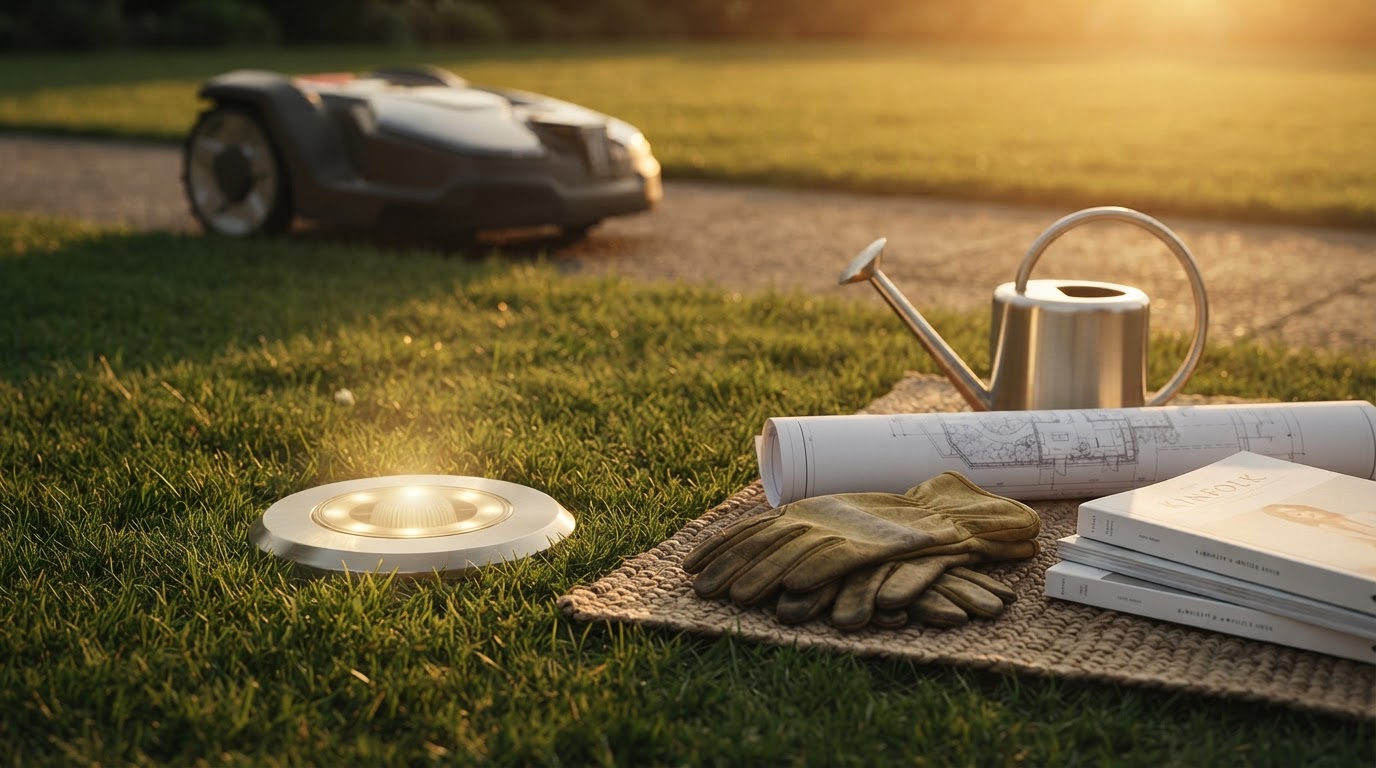
Transitioning to solar ground lights requires a shift in how we perceive the interface between the light and the soil. Unlike traditional stakes, outdoor solar disk lights utilize a low-profile housing that sits flush with the turf's root zone. Data from Google Search Console indicates that users are increasingly searching for led solar puck lights for yard and in ground solar lights for driveway, with over 12,500 monthly impressions combined, signaling a move away from vertical obstructions. These units rely on a flat, circular design where the solar panel and the LED array are housed under a high-impact polycarbonate or stainless steel lens. Because these fixtures are designed to be recessed, the mower blade passes safely over the top of the lens without making contact. Users in specialized landscaping forums, such as those discussed in The Landscaping Lights Turned Out Fabulous!, have confirmed that properly installed flush-mounted units allow them to mow right over the fixtures without damage. This is not just a matter of convenience; it is a structural necessity for maintaining a clean edge. By using solar ground lights that are rated for weight-bearing, homeowners can also ensure that the lights survive the occasional weight of a mower wheel. The waterproof solar garden lights currently trending in the market emphasize IP65 or IP67 ratings, which are essential because flush-mounted lights are more susceptible to water pooling than their elevated counterparts. Run the math: a set of 12 flush-mounted lights saves approximately 15 minutes of trimming time per mow, which adds up to 10 hours of reclaimed time over a 40-week growing season.
Selecting Mower-Safe Illumination
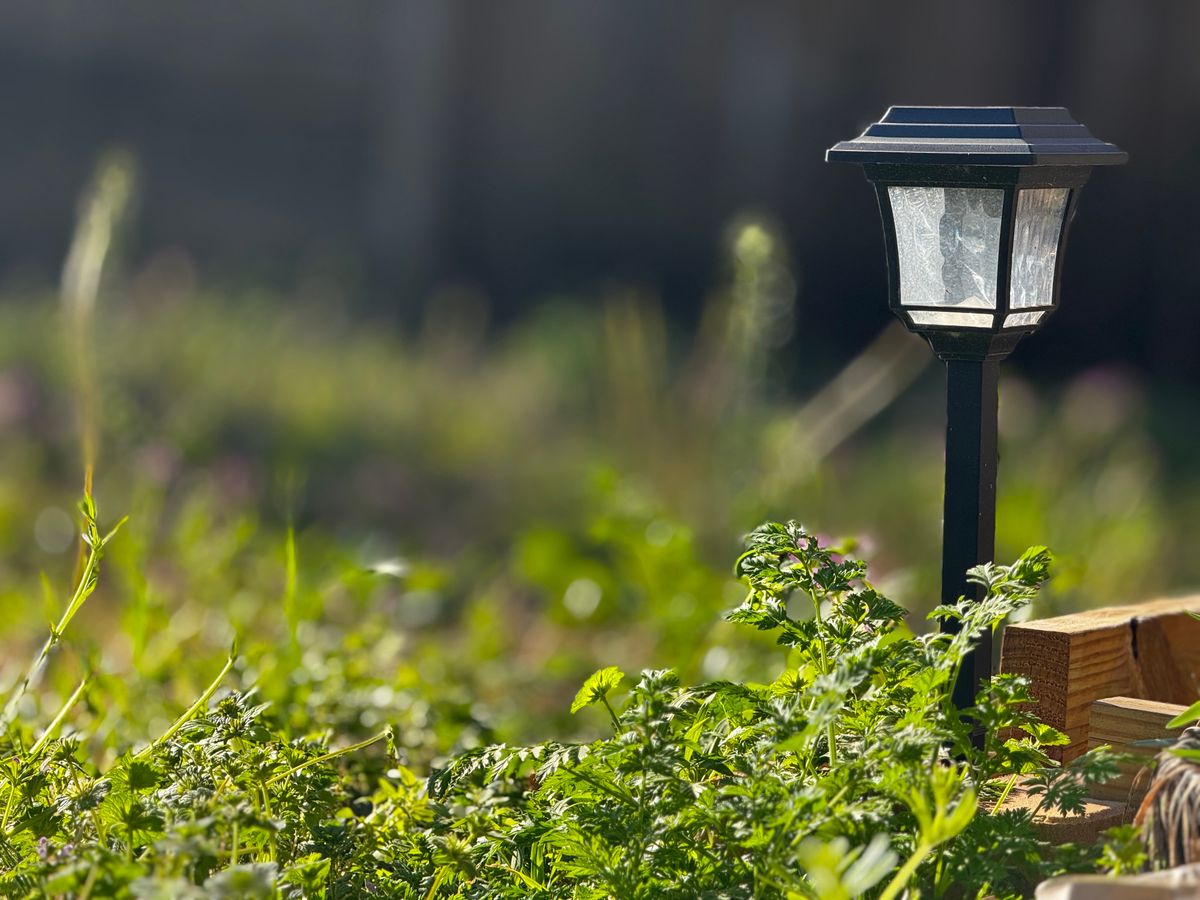
Choosing a fixture that truly survives a mower requires looking past aesthetic marketing and focusing on the physical profile. While many products claim to be "flat," the actual height off the soil determines whether a blade will catch the edge. For those with pets, dog friendly solar lawn lights are a necessary consideration, as they must resist both the mechanical stress of a mower and the biological impact of animals. The decision to switch to a mower-safe system should be based on the following criteria:
- Total Height Clearance: The fixture must sit no higher than 0.5 inches above the soil surface once installed to clear standard mower blades.
- Impact Resistance: Look for stainless steel or reinforced ABS plastic frames that can withstand the weight of a 500-pound riding mower wheel.
- Beveled Edges: A sloped edge allows the mower’s deck or wheels to glide over the light rather than catching and pulling it out of the ground.
- Secure Anchoring: Use units with multi-prong stakes or those that can be cemented into place to prevent shifting during soil saturation.
- Lens Material: Polycarbonate is preferred over glass for its ability to flex under pressure without shattering into the lawn.
To upgrade your lawn with durable, low-profile lighting solutions that withstand regular maintenance, Shop Solar Ground Lights here.