
How do I install Solar Ground Lights in a paver patio?
 Maya ChenContributing Editor
September 9, 2026 — Installing Solar Ground Lights into a paver patio requires a precision-cut void and a minimum two-inch gravel drainage base to prevent hydrostatic pressure from compromising the internal seals.
Homeowners frequently attempt to retrofit lighting into existing hardscapes to avoid the logistical nightmare of trenching high-voltage wires. While the aesthetic appeal of a flush-mount finish is significant, the technical execution often fails due to poor moisture management and improper depth calibration.
How do you secure Solar Ground Lights in stone pavers?
The conventional wisdom says you can simply drop a disk light into a hole, but proper installation requires a friction-fit achieved through diamond-core drilling or specialized paver saws. Most solar puck lights for yard applications feature a diameter between 4.5 and 5 inches, requiring a hole that allows for a 1/8-inch expansion gap to accommodate thermal fluctuations in the stone. Here's the part nobody talks about: if you do not use a masonry adhesive specifically rated for non-porous plastics, the unit will shift under foot traffic, eventually shearing the solar cell's connection to the battery housing. For those working with natural materials, selecting the best solar lights for stone pavers is critical because the irregularities in the stone require a light with a wider flange to hide the rough-cut edges of the installation hole.
What drainage is required for solar paver lights?
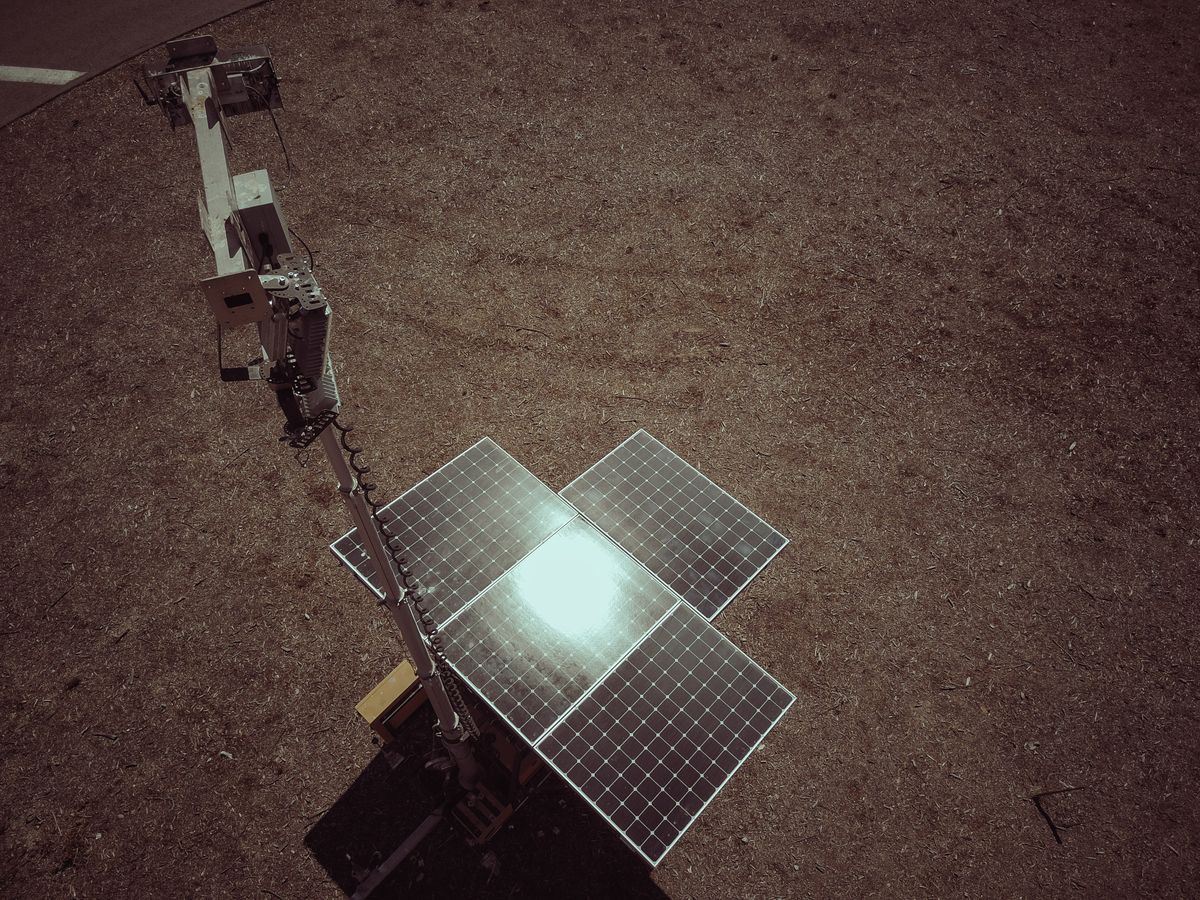
Photo by Kindel Media on Pexels
Run the math: a standard 4.5-inch solar light displacement requires a drainage pit that can handle at least 150% of the unit's volume in runoff to prevent the light from sitting in a stagnant pool. Many installers assume that because a unit is marketed as "waterproof solar garden lights," it can withstand total immersion, but IP67 ratings are typically tested for 30 minutes at one meter, not indefinite saturation in a patio sub-base. A successful installation involves excavating an additional three inches below the light's housing and filling that space with 3/4-inch washed stone. This ensures that even during heavy rain, water migrates away from the gaskets. This drainage requirement is even more pronounced when using low profile solar deck lighting or solar deck lights flush mount units, where the tight tolerances between the light and the surrounding surface create a natural trap for moisture and debris.
Quick answers
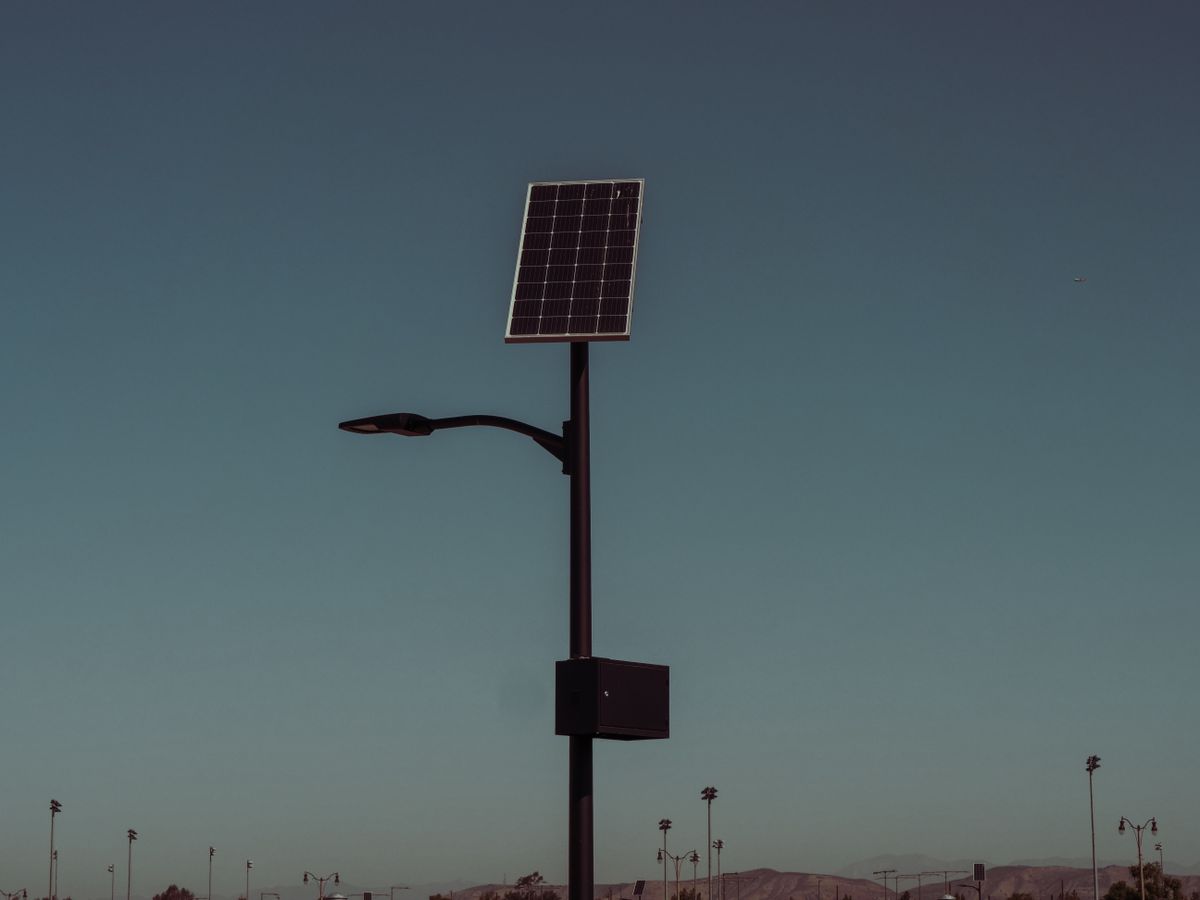
Photo by Kindel Media on Pexels
Q: Can solar ground lights withstand a car driving over them in a driveway? A: Most standard units are rated for pedestrian traffic only; you must verify a specific weight load rating of at least 2,000 lbs if installing in a driveway to avoid crushing the internal LED assembly.
Q: How much sunlight do paver lights need to stay lit all night? A: A minimum of 6 to 8 hours of direct, unobstructed sunlight is required to charge the typical 600mAh to 1200mAh Ni-MH batteries found in Solar Ground Lights.
Q: Do I need to remove the lights during winter? A: In regions where temperatures drop below -4°F, the lithium-ion or Ni-MH batteries may lose capacity permanently, making seasonal removal advisable for longevity.
I'll change my mind when manufacturers move away from glued-shut housings and offer user-replaceable capacitors that can handle the thermal expansion of concrete. Learn more about Solar Ground Lights at https://solargroundlights.com.